If you grew up with ear syringing at the GP surgery, microsuction can sound mysterious. In fact it is a simpler, gentler idea: instead of flushing wax out with water, we look directly into the ear canal under magnification and lift the wax out with a tiny, controlled vacuum. It is the method ear, nose and throat (ENT) departments use, and it is what we offer at Northumbria Way Pharmacy & Clinic in Cramlington.
This guide walks through exactly what happens at an appointment, how the equipment works, and how microsuction compares with the alternatives — so you know what you're booking.
What happens at your appointment, step by step
- A few questions first. Our pharmacist asks about your symptoms, any history of ear infections, perforations or ear surgery, whether you wear hearing aids, and whether you've been using olive oil drops.
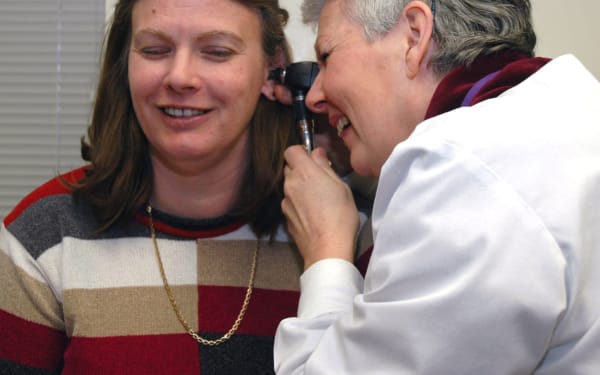
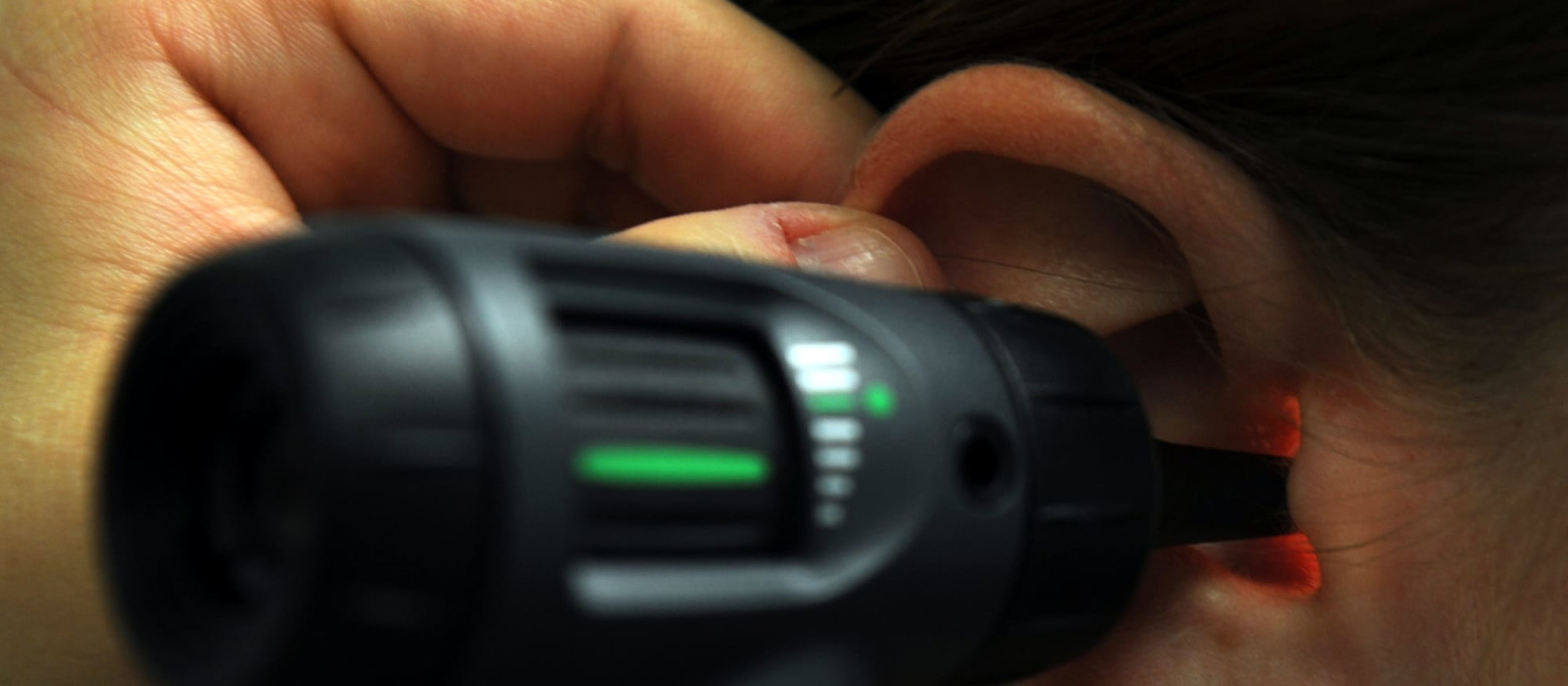
- Examination. We look into each ear canal under magnification to see how much wax there is, how hard it is, and whether the eardrum is visible. This is also when we'd spot anything that needs a GP rather than wax removal.
- Microsuction. A fine, sterile suction tip — far narrower than the ear canal — is placed just inside the ear. Gentle, controlled suction draws the wax onto the tip and out. The pharmacist watches the whole time and only ever works where they can see.
- Re-check. Once the canal is clear we look again to confirm the eardrum is healthy and nothing has been left behind.
- Advice. We'll talk through what we found, how to reduce future build-up, and when (if ever) you might want to come back.
Your appointment slot is 30 minutes, which includes the chat and examination. The suction itself usually takes 10–15 minutes for both ears. Most people have their hearing back to normal before they leave the room.
The equipment, in plain English
Two things make microsuction work: light and suction. The pharmacist wears magnifying loupes or uses a microscope with a bright light, so the inside of the canal is lit and enlarged. That means every movement is made by sight, not by feel — the main reason microsuction is considered the safest removal method.
The suction unit is a medical-grade pump set to a low pressure, connected to a slim, single-use tip. It creates just enough pull to lift wax without touching the eardrum. You'll hear it — more on that below — but the pressure is far gentler than it sounds.
Microsuction vs ear syringing and irrigation
Syringing (and its modern cousin, electronic irrigation) works by pushing body-temperature water into the ear canal so the wax floats out. It can be effective, but it has limitations that explain why most GP practices in England have stopped offering it routinely:
- The clinician cannot see the wax while flushing — it is done by feel and hope
- Water pressure can push wax deeper, or in rare cases damage the eardrum
- It is unsuitable if you have, or have ever had, a perforated eardrum, grommets or ear surgery
- Leaving water in the canal raises the risk of an outer ear infection afterwards
- It usually needs one to two weeks of softening drops beforehand, and often more than one attempt
What about ear candles and drops alone?
Ear candles are not recommended by the NHS or any professional ear care body. There is no good evidence they remove wax, and they can cause burns and leave candle wax in the canal. We would gently steer anyone away from them.
Softening drops — olive oil, or pharmacy products such as sodium bicarbonate drops — are genuinely useful. For a mild build-up, a week or two of drops may be all you need. For a true plug, drops alone often aren't enough to clear it, but they are the essential preparation for microsuction: soft wax lifts away easily, hard wax doesn't.
Who microsuction is suitable for
Because nothing is flushed in and everything is done by sight, microsuction is suitable for most adults, including many people who couldn't have syringing:
- People with a current or previous perforated eardrum
- People who've had grommets or ear surgery
- Hearing aid wearers, who often build up wax quickly
- People prone to outer ear infections, because the canal stays dry
- People with narrow ear canals where irrigation struggles
We see adults aged 18 and over. Children's ear problems should be assessed by their GP. We'd also ask you to see your GP first, rather than booking removal, if you have ear pain with discharge or fever, sudden hearing loss, or symptoms following a head injury.
Before your appointment
Ensure you have put olive oil ear drops 2-3 times per day for at least 5 days into the affected ear(s) before attending your Ear Wax Removal appointment.
This is the step people most often skip, and it is the one that makes the biggest difference to how quickly and comfortably the wax comes away. Lie on your side, put a few drops of room-temperature olive oil into the ear, stay there for a couple of minutes, then carry on with your day. Your hearing may feel slightly worse while the oil is in — that's normal and passes.
Afterwards
There is no recovery time. Your ear may feel a little cool or "open" for an hour or so, and sounds can seem surprisingly loud at first simply because you've got used to hearing less. Keep the ear dry for the rest of the day if the skin was dry or irritated. If you wear hearing aids, bring them so we can check they sit comfortably once the canal is clear.
Microsuction at Northumbria Way Pharmacy & Clinic costs £35 for one ear or £60 for both, including the examination. We're open seven days a week with free parking, and welcome patients from Cramlington, Blyth, Bedlington, Seaton Delaval, Ashington, Morpeth, North Tyneside and Newcastle.
This article is for general information and is not a substitute for a clinical assessment. If you have ear pain, discharge, sudden hearing loss or a recent head injury, contact your GP or NHS 111 rather than booking wax removal.