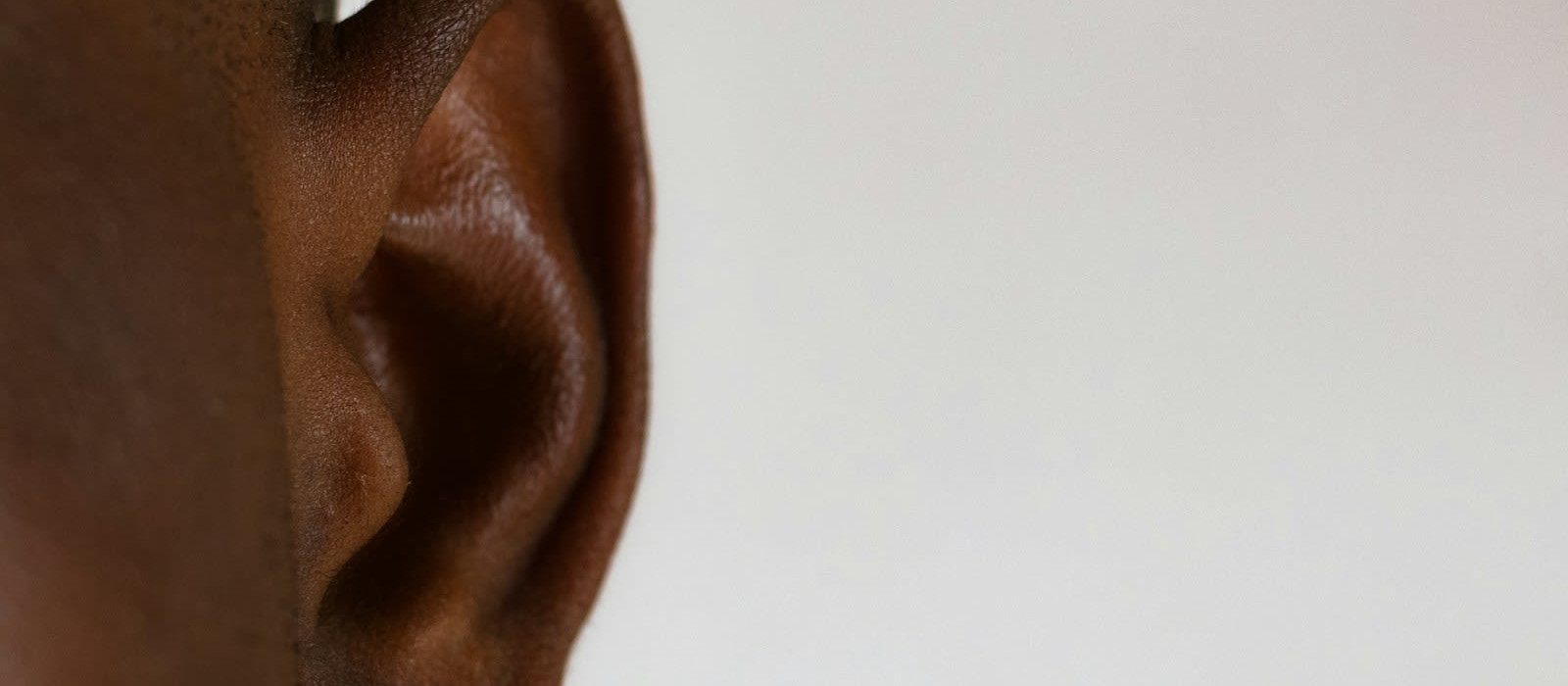
Most of the time, ear wax is nothing to worry about. It is one of the body's quiet, useful systems: a mix of oil, skin cells and secretions that traps dust, keeps the ear canal moisturised and even has mild antibacterial properties. In a healthy ear, the skin of the canal slowly migrates outwards — a kind of conveyor belt — carrying old wax to the opening where it dries and falls away without you ever noticing.
So the short answer to "is ear wax dangerous?" is: not in itself. The problems start when the conveyor belt can't keep up and wax builds up faster than it clears. That is what clinicians call impacted ear wax, and it is one of the most common reasons adults in Cramlington, Blyth and Newcastle come to see us.
Why wax builds up in the first place
Some people simply make more wax than others, or make a drier, harder type that doesn't move as easily. Narrow or hairy ear canals, eczema or dry skin in the ear, and getting older (wax tends to become drier with age) all make a blockage more likely.
The other big factor is what we put in our ears. Cotton buds, earplugs, in-ear headphones and hearing aids all sit in the canal and push wax back towards the eardrum, compacting it into a plug. Hearing aid wearers in particular often find wax builds up far more quickly once they start using their devices.
Signs you may have an ear wax blockage
A plug of wax rarely causes dramatic symptoms at first. Most people notice a gradual change over days or weeks, often in one ear only:
- Muffled or dulled hearing — voices sound distant, the TV creeps up louder
- A feeling of fullness or pressure in the ear, as if it needs to "pop"
- Itching deep in the ear canal
- Earache or a dull, nagging discomfort
- Tinnitus — ringing, buzzing or humming that wasn't there before
- Mild dizziness or feeling slightly off-balance
- Hearing aids whistling, cutting out or seeming to stop working
- A sudden, almost complete loss of hearing after a shower or swim, when water swells the wax and seals the canal
What happens if you leave it?
For many people a small build-up will eventually sort itself out. But a true blockage tends not to — and leaving it can cause problems beyond the muffled hearing itself.
Trapped wax holds moisture against the skin of the canal, which raises the risk of an outer ear infection (otitis externa). Ongoing itching tempts people to poke at the ear, which scratches the delicate skin and adds to the infection risk. Persistent tinnitus and a sense of imbalance can be unsettling, and in older adults reduced hearing is linked with social withdrawal, low mood and a higher risk of falls. For hearing aid users, wax is the single most common reason a device seems to fail — and a blocked ear can't be properly tested or fitted until it's cleared.
None of this is a medical emergency, but it is a good reason not to put up with it for months.
The real danger: trying to remove it yourself
In our experience the harm from ear wax comes far less from the wax itself than from the ways people try to get rid of it. The NHS advice is clear and worth repeating: never put cotton buds or anything else into your ear canal. Cotton buds push wax deeper, compact it, and can scratch the canal or even perforate the eardrum.
Ear candles (sometimes sold as "Hopi" candles) are not recommended. There is no good evidence they remove wax, and they carry a real risk of burns to the face and ear and of candle wax dripping into the canal. Hairgrips, pen lids, keys and the various ear-cleaning gadgets sold online all carry the same risks of injury and infection.
If you want to do something at home, the one thing that genuinely helps is softening the wax with olive oil drops. It is gentle, cheap and often enough on its own for a mild build-up — and if you do go on to need professional removal, it makes the procedure quicker and far more comfortable.
When to see a GP instead
Wax removal is for wax. Some ear symptoms need a doctor rather than a clinic, so please contact your GP or NHS 111 rather than booking a removal appointment if you have:
- Severe ear pain, or pain with a fever
- Discharge, bleeding or a bad smell from the ear
- Sudden hearing loss in one ear that came on over minutes or hours — this needs same-day medical advice
- Ear symptoms after a head injury or a blow to the ear
- A known or suspected perforated eardrum with pain or discharge
- Ear symptoms in a child under 18 — we see adults only, and children's ears should be assessed by their GP
Safe removal: how we do it in Cramlington
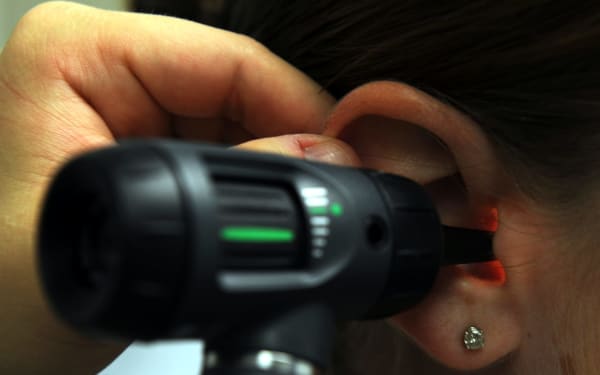
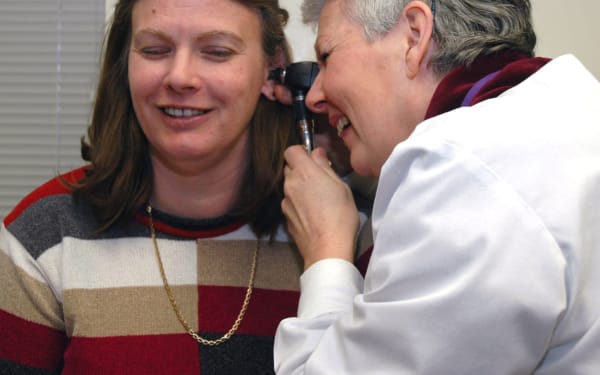
At Northumbria Way Pharmacy & Clinic we use microsuction — the same method used by ENT consultants. Our trained, accredited pharmacist examines your ear canal under magnification, then uses a fine, low-pressure suction wand to lift the wax out, watching the whole time. There is no water, no syringe pressure, and nothing is pushed further in. In most cases your hearing is clear before you leave.
It costs £35 for one ear or £60 for both, including the examination. Appointments are available seven days a week with free parking outside, and we see patients from across Cramlington, Blyth, Bedlington, Seaton Delaval, Ashington, Morpeth, North Tyneside and Newcastle.
Before your appointment
Ensure you have put olive oil ear drops 2-3 times per day for at least 5 days into the affected ear(s) before attending your Ear Wax Removal appointment.
Softened wax comes away easily; hard, dry wax clings to the canal and may need a second visit. Five days of drops is the single best thing you can do to make your appointment quick and comfortable. If you wear hearing aids, bring them with you so we can check they fit comfortably once your ears are clear.
This article is for general information and is not a substitute for a clinical assessment. If you have ear pain, discharge, sudden hearing loss or a recent head injury, contact your GP or NHS 111 rather than booking wax removal.